
Posts by zoeymaster
Responding Instead of Reacting
Have you ever caught yourself using words like “uncomfortable,” “weird,” or “activated” to describe how you’re feeling? These words might seem vague, but they hold a powerful secret: they don’t come with a built in action plan. Unlike words like “angry” (which might trigger thoughts of confrontation) or “anxious” (which might send you spiraling into…
Read More✨Prediction can be a form of self-care.✨

One powerful tool that I use with clients is helping them predict what emotions might come up in different situations. Whole optimism is wonderful, but it is not always realistic. We feel nervous, scared, worried, and anxious- and that’s okay. But when we can predict emotions, they’re less of a shock, and we are better…
Read MoreWaiting vs. Dwaiting

“Waiting” is one of those words my clients have heard a thousand times by the time they reach young adulthood. “You just have to wait.” But what does that actually mean? We all know that waiting feels easier when we’re doing something so I came up with a new word: Dwaiting. 💡 Dwaiting = Doing…
Read MoreYour body speaks before your mind.Notice it. Name it. Trust it. ✨
One of my favorite parts of my work is helping people tune into their own body cues. ✨Noticing when your voice gets a little higher, when your hands start moving and touching, or when your body contracts or expands with certain emotions, these are powerful signals.Our body often speaks before our mind does. Learning to…
Read MoreA personal share
It’s been such a joy in session this month. One of my clients is finally landing in a felt sense of “I.” After years of deferring to others or hinting at what he might want, he’s now saying, “I want” and “I think”, from what he calls his own “place of power.” 💬✨ We’ve spent…
Read MoreDisability isn’t the issue — it’s the barriers society creates.
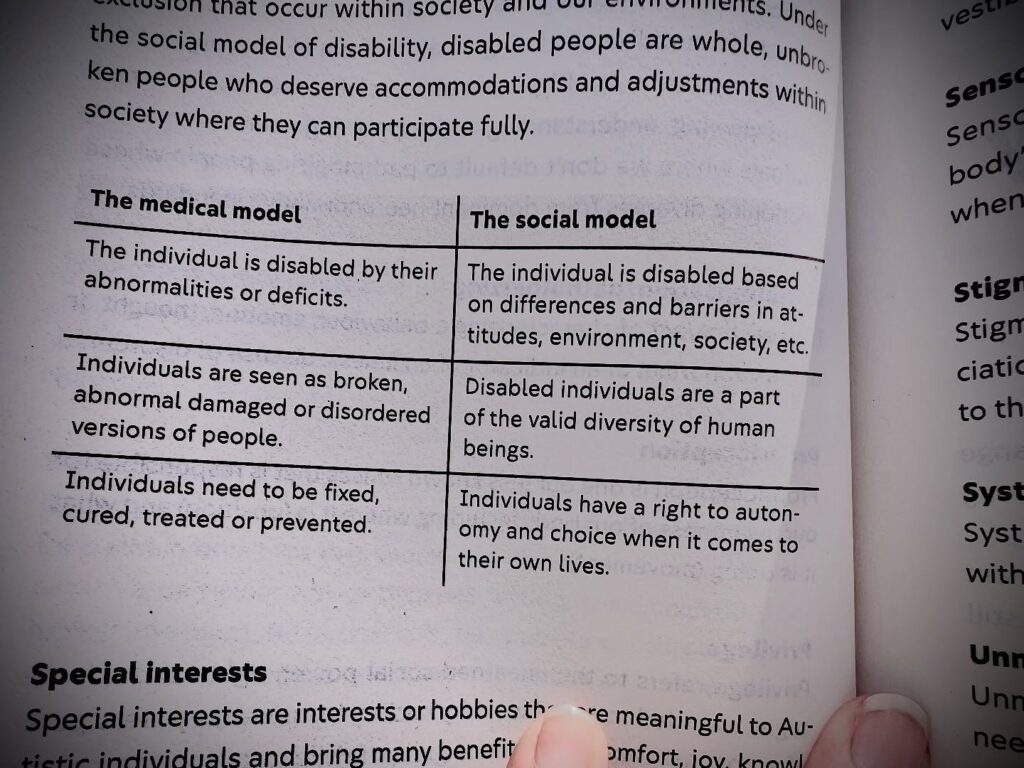
🌻 It feels more important than ever to speak up about what people in power are saying — especially when their words directly affect disabled and neurodivergent people and communities. I’m currently taking a break and reading We’re All Neurodiverse by Sunny Jane Wise, and it’s really resonating. By page 20, they’re already mentioned and…
Read MoreSafety isn’t declared
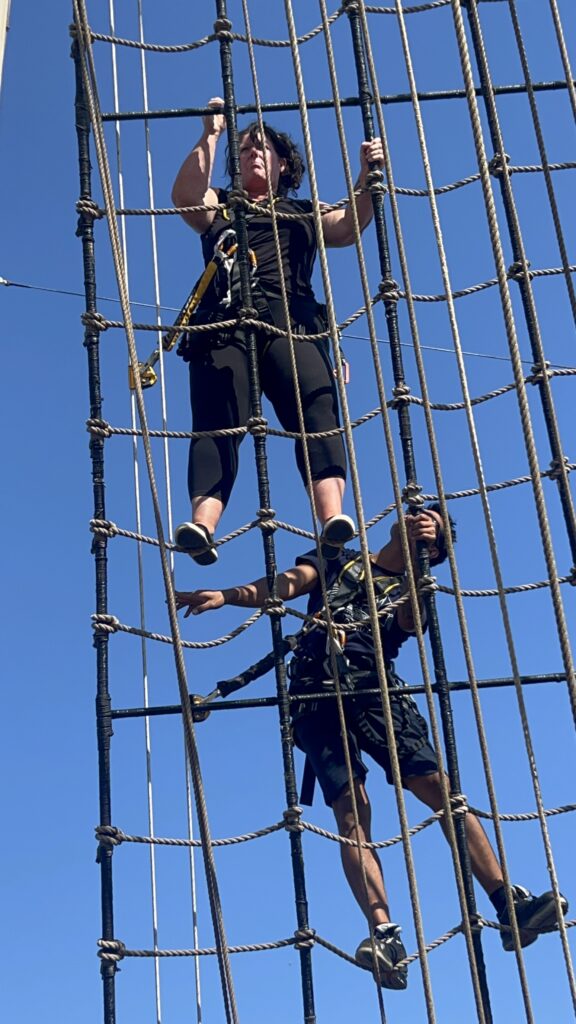
When I first meet a client who doesn’t feel safe in their body or environment, one of the most important things I remember is this: telling someone they are safe can feel like gaslighting. If a person’s nervous system is dysregulated, or their history has taught them that safety isn’t reliable, simply saying “You’re safe”…
Read More✨It’s not about shutting it down

🔑 One of the most powerful things I teach my clients?How to have a relationship with their amygdala. ✨This little part of the brain is essential for survival—it scans for differences and sounds the alarm. But sometimes, it jumps in fast and strong, hijacking our response before the prefrontal cortex (our thinking brain) can weigh…
Read More💭 Let’s Talk About “Fading Support”

In some behavior programs, there’s a concept called “prompt fading” —It’s when adults slowly pull back support so a person “learns” to do things on their own. But here’s the thing 👇 ⸻ 🚨 For many of the kids I work with, this feels like abandonment.They can feel when support is being pulled — but…
Read MoreMacro vs. Micro

For years, I’ve worked to drive change at the macro level when my clients transition into supported living— advocating with social services, DSHS, and providing training and coaching to caregivers. Recently, though, I’ve shifted more focus to the micro level, helping my clients build resilience and better manage the challenges of supported living and the…
Read More